
Quality Control Process: 4 Steps to Zero-Defect Connectors
A single connector failure can cost far more than the component itself.
In industrial applications, a momentary loss of connection can lead to equipment downtime, data loss, or even safety hazards. This is why “quality” is not just a buzzword; it is a scientific management system that is traceable, quantifiable, and strictly enforced.
A robust Quality Control Process helps manufacturers identify and eliminate defects at every stage, ensuring that every connector meets the highest industry standards.
When sourcing components, many buyers focus on price and lead time. However, the true foundation of a long-term partnership is the supplier’s Quality Control Process.
Today, we are pulling back the curtain on our factory floor
Stage 1: IQC – The Gatekeeper of Quality
Quality begins long before production starts. It starts with the raw materials. If the copper alloy is brittle or the plastic resin is contaminated, no amount of skilled manufacturing can fix it.
This is where IQC (Incoming Quality Control) comes in. It is the first line of defense in our Quality Control Process.
We don’t just trust supplier certificates; we verify everything.
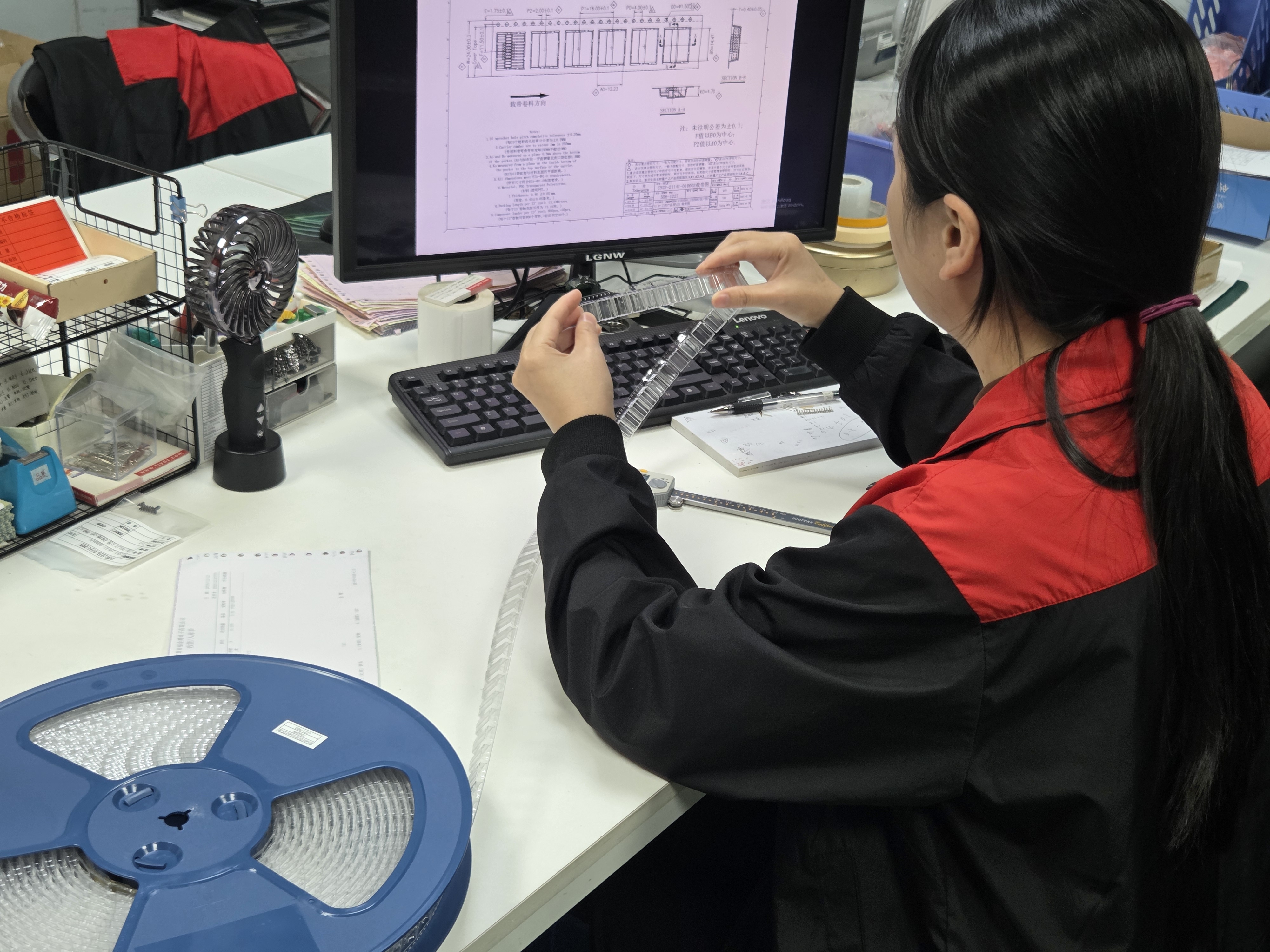
Copper & Terminals: We test the hardness, ductility, and dimensions of every copper coil batch. Even microscopic oxidation or scratches are grounds for rejection.
Plastic Resin: This is the core material for connector housings (headers, sockets). We know its quality determines structural integrity and insulation reliability. Our inspection is extremely rigorous:
- Model Verification: We check the model of PBT, PA66, LCP, etc., one by one to ensure it matches the design requirements and production order, preventing any misuse or mixing of materials.
- Flammability Rating: We strictly verify the flammability rating (e.g., UL94 V-0, 850℃ Glow Wire, Needle Flame) according to UL94 standards to ensure compliance with the highest safety specifications for electronic components.
- Moisture Content Control: We precisely detect and strictly control moisture content based on the hygroscopicity of different materials (e.g., PBT ≤ 0.2%, PA66 ≤ 0.1%, LCP ≤ 0.05%). Substandard materials must be dried before production to prevent defects like bubbles, shrinkage, cracking, and deformation during injection molding.
Plating: We use advanced X-ray Fluorescence (XRF) analyzers to precisely measure and control the thickness of gold, nickel, and tin plating. Precise control of
Stage 2: IPQC – Prevention Over Detection
Inspecting the final product is good, but preventing defects during manufacturing is better. This is the core philosophy of IPQC (In-Process Quality Control).
In our connector workshop, we don’t rely on luck; we rely on data and strict procedures.
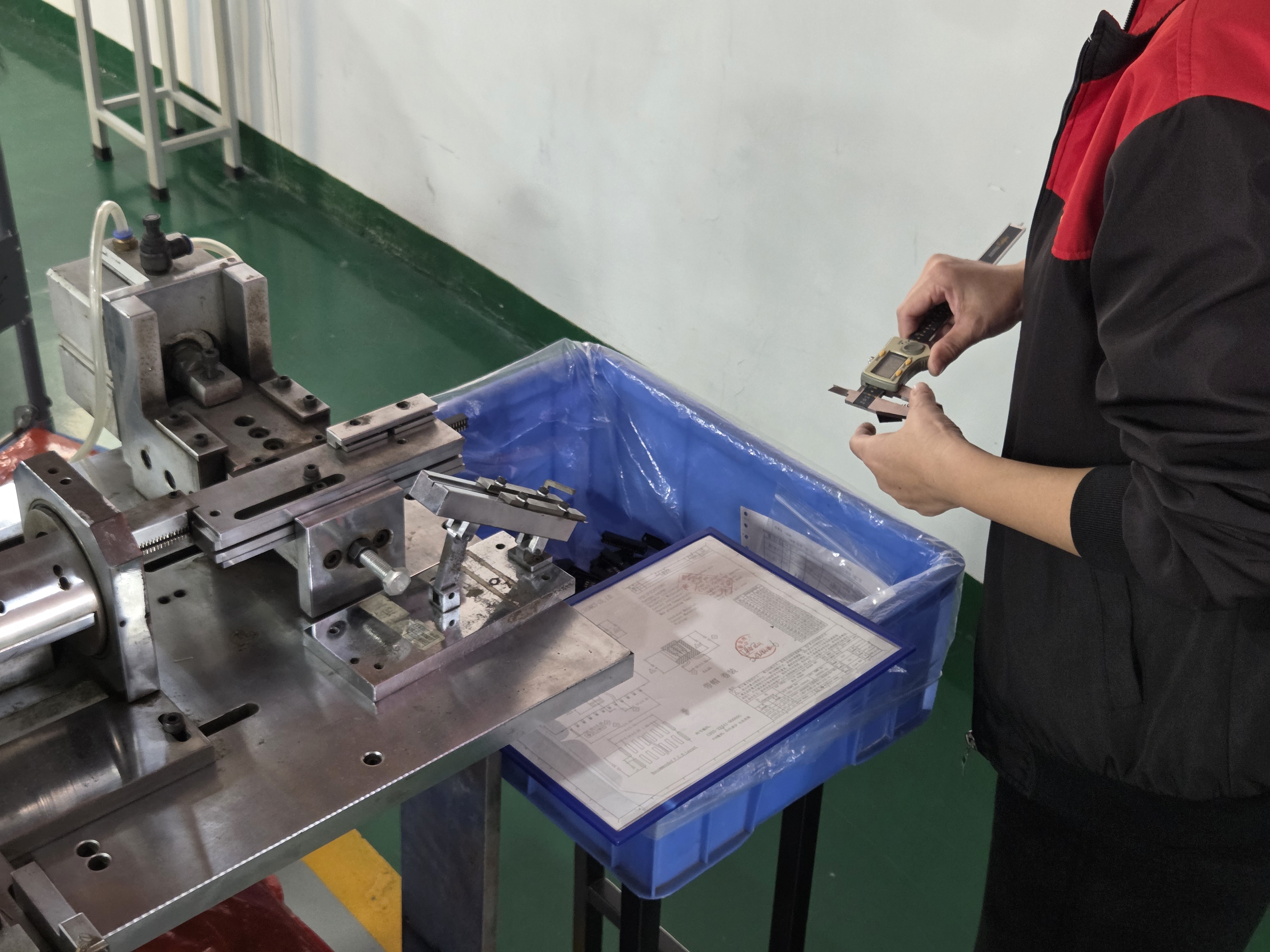
First Article Inspection (FAI): After every machine setup or mold change, the first product off the line undergoes a full “physical exam.” Mass production only be
Stage 3: FQC – The Final “Physical Exam”
When a connector completes all manufacturing steps, it cannot enter the warehouse yet. It must pass FQC (Final Quality Control), the final judgment before storage.
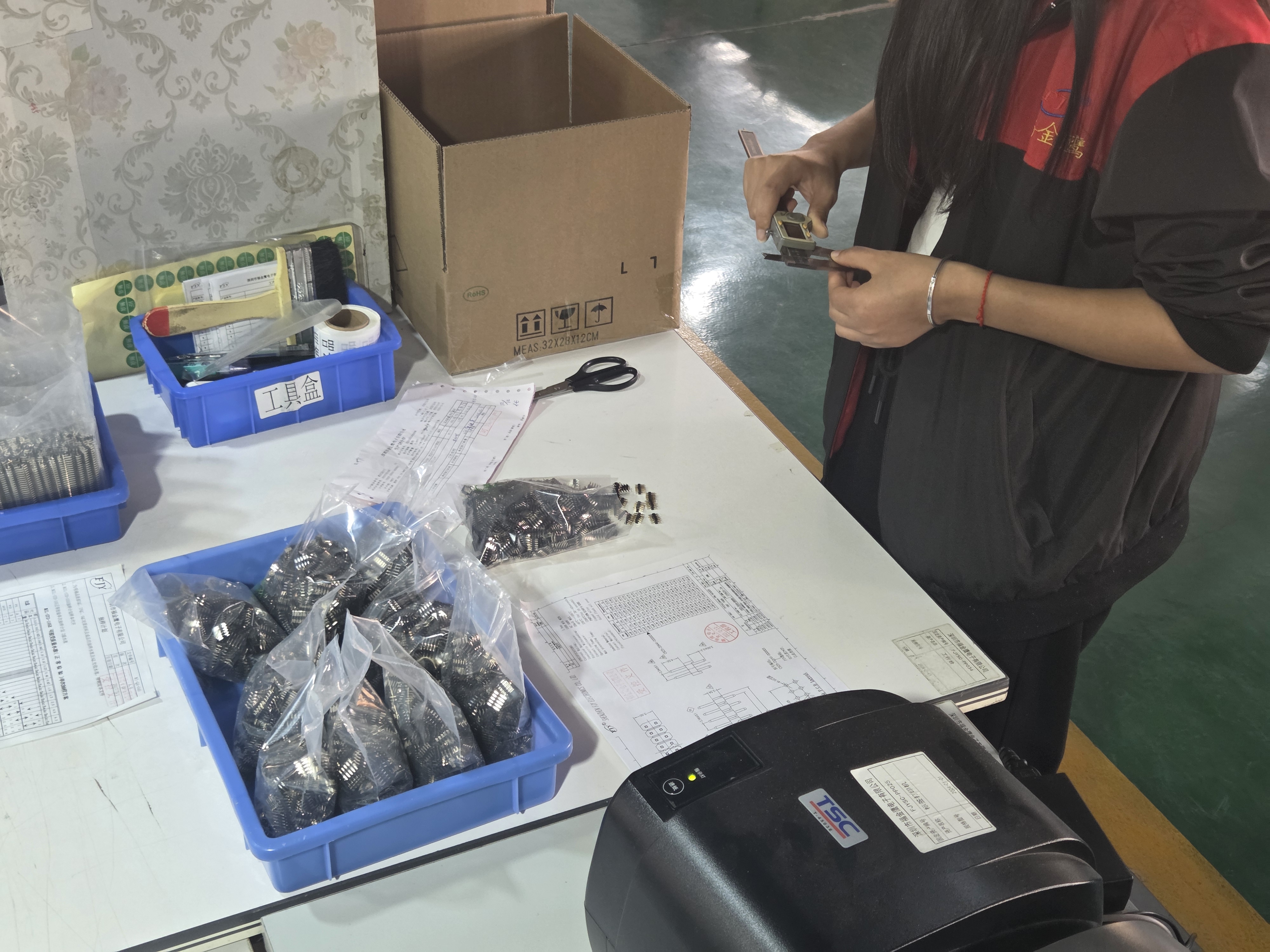
This stage is a comprehensive verification of function, appearance, and packaging.
Visual Inspection: Under strong lighting, inspectors check for burrs, deformation, stains, or color inconsistencies.
Stage 4: OQC – The Last Line of Defense
Storage doesn’t mean the job is done. Before loading onto a truck, products must pass OQC (Outgoing Quality Control). This is our final promise to the customer.
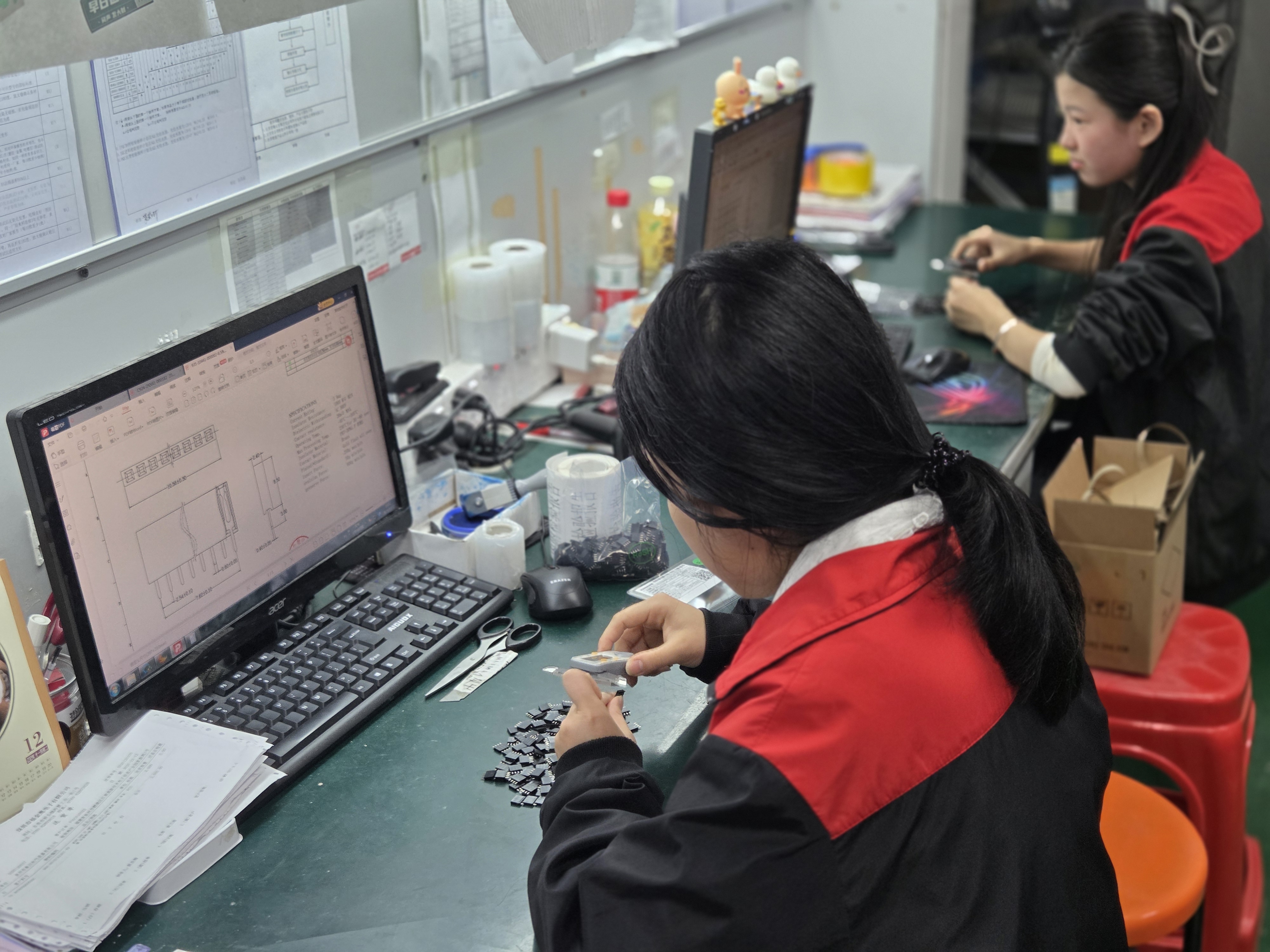
Order Verification: We check that the model number, quantity, and batch number match the customer’s Purchase Order (PO) exactly.
Our Commitment: Quality is a Promise, Not a Department
From IQC to OQC, these four stages form a closed-loop management system. It is not just about inspection; it is a philosophy of “prevention first, full control, and continuous improvement.”
At Huaming Technology, we know that every connector carries the weight of your trust. We are not just manufacturing parts; we are safeguarding your operations.
If you are looking for a connector supplier who truly understands quality and honors their commitments, contact us today. Let our “zero-defect” products protect your projects.
- Packaging Check: We ensure anti-static and moisture-proof packaging is intact, labels are correct, and documents (like Certificates of Compliance) are included.
- Random Audit: We randomly select boxes from the shipment batch for a final visual and functional spot check, ensuring no damage occurred during warehousing.
- Functional Testing: We use custom jigs to perform 100% testing or AQL sampling for continuity, withstand voltage, and insertion/withdrawal force.
- Dimensional Review: We re-check critical dimensions against the engineering drawings to ensure 100% conformity.
gins after the first piece is approved.
- Patrol Inspection: Quality engineers patrol the production lines every 2 hours to monitor key parameters like injection temperature and stamping speed. If a deviation is found, the line stops immediately.
- Critical Process Monitoring: For core processes like terminal crimping, we continuously monitor the crimp height and width to ensure mechanical stability.
plating thickness is the core prerequisite for ensuring excellent conductivity and corrosion resistance, directly determining the product’s electrical performance stability and service life.
Key Takeaway: We would rather halt production than use a single gram of substandard material.
to reveal the four critical stages that every connector must pass to achieve “zero defects.”