
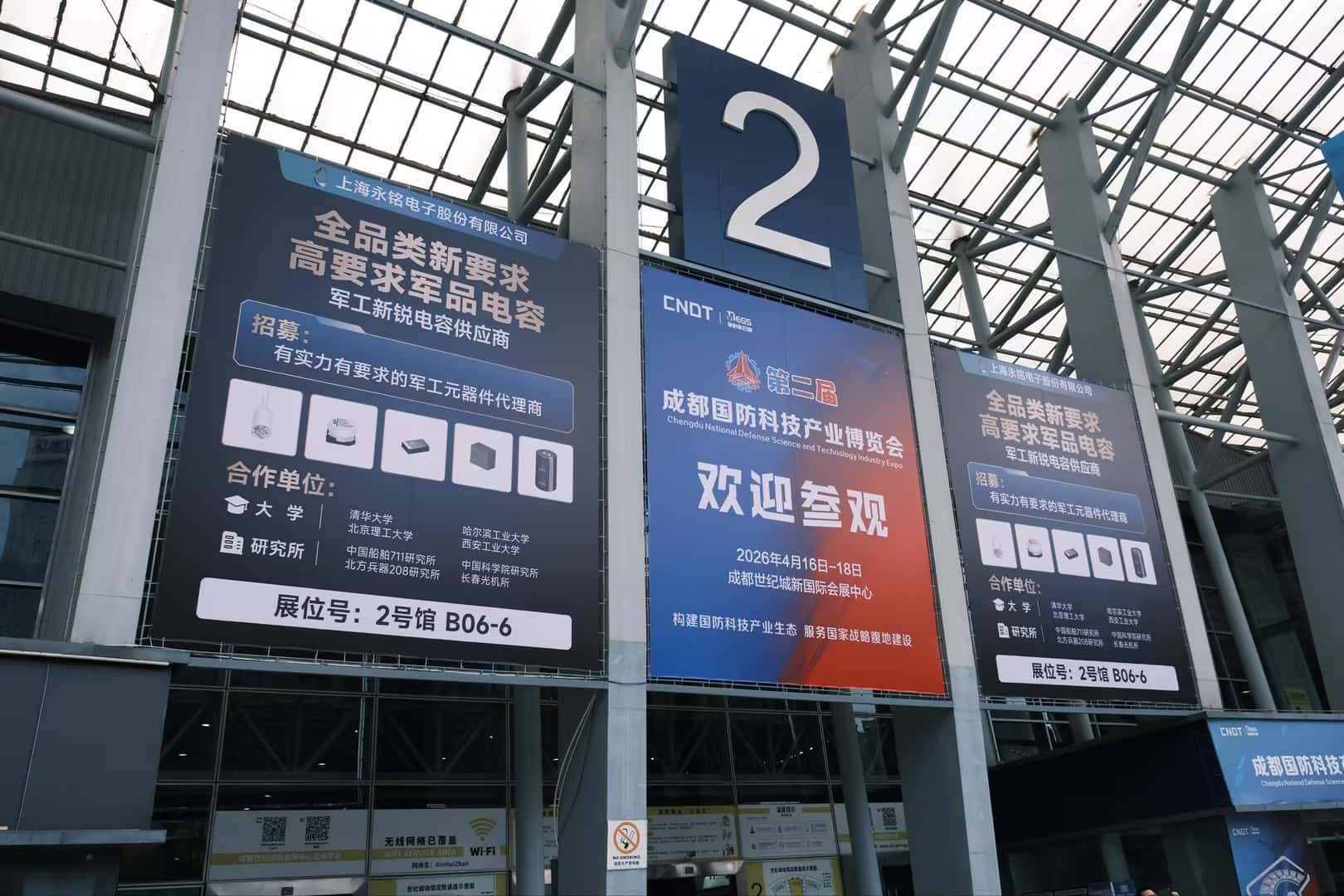
The week before last, our team flew to Chengdu to attend the 2nd Chengdu Defense Technology Industry Expo. This trip was less about “exhibiting” and more about a pragmatic exchange — “bringing our products to find answers.” We wanted to see if the connectors we’ve been quietly developing can actually solve real problems for customers in the defense technology sector.
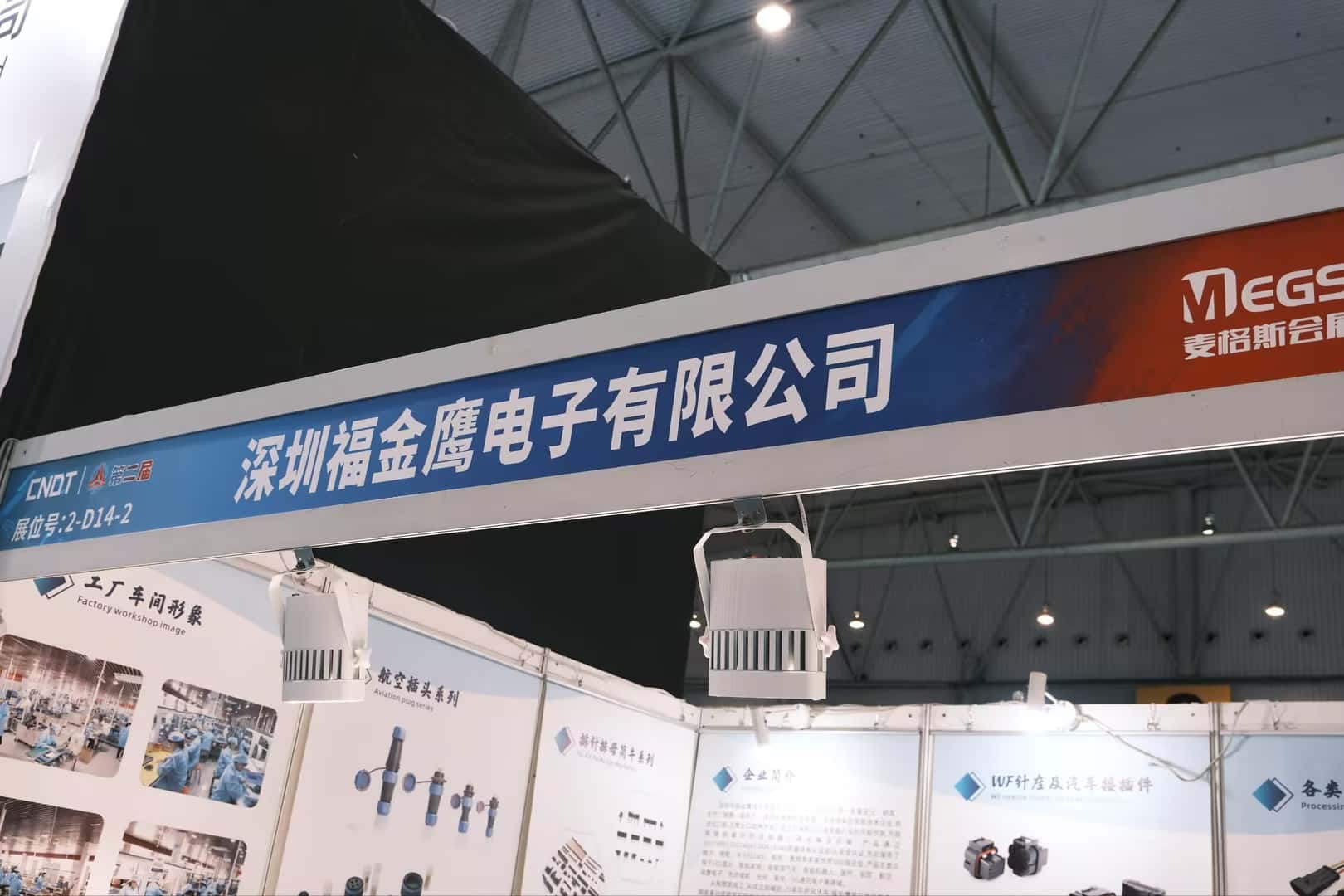
The theme of the expo was grand, but the conversations at our booth were remarkably specific. One customer working on aerospace electronics brought a drawing of a certain device’s interface and asked, “Can your circular connectors achieve IP68 protection while still being inserted and withdrawn 500 times without loosening at temperatures ranging from -40°C to 85°C?” Another company, which makes underwater monitoring equipment, pointed at our deep‑water sealed connector sample and asked, “Under the pressure at 1,000 meters of water depth, will your sealing ring age or crack?” There was even a procurement manager from a military‑support enterprise who asked directly, “Can your high‑speed board‑to‑board connectors replace a certain imported brand? And can you cut the price by another 30%?”
Not a single one of these questions was vague or conceptual — they were all grounded in real application scenarios.
Real Challenges in Defense Technology
We didn’t boast about having “cracked any bottleneck technologies.” Instead, we simply laid out the test reports from our lab. After seeing the reports, some customers took photos on their phones and said, “Let me have our technical team evaluate this.” Others asked directly, “Could you send us five samples first? We’ll install them on our equipment and give them a try.” This kind of fact‑based, data‑driven conversation was far more effective than any flashy PowerPoint.
- The Aerospace Test: A customer needed a connector that wouldn’t fail during high-altitude turbulence. We showed them our vibration test data, which proved our connectors could withstand 20G of force for over 1,000 hours without any signal interruption.
- The Underwater Challenge: An engineer worried about seal failure. We showed him our 1000-hour pressure test results, where our connectors were submerged in a simulated deep-sea environment and maintained a perfect seal.
- The Cost Question: A procurement manager wanted to lower costs without sacrificing quality. We discussed our local manufacturing advantages, including streamlined production processes and direct access to raw materials, which allow us to offer competitive pricing without compromising on performance.
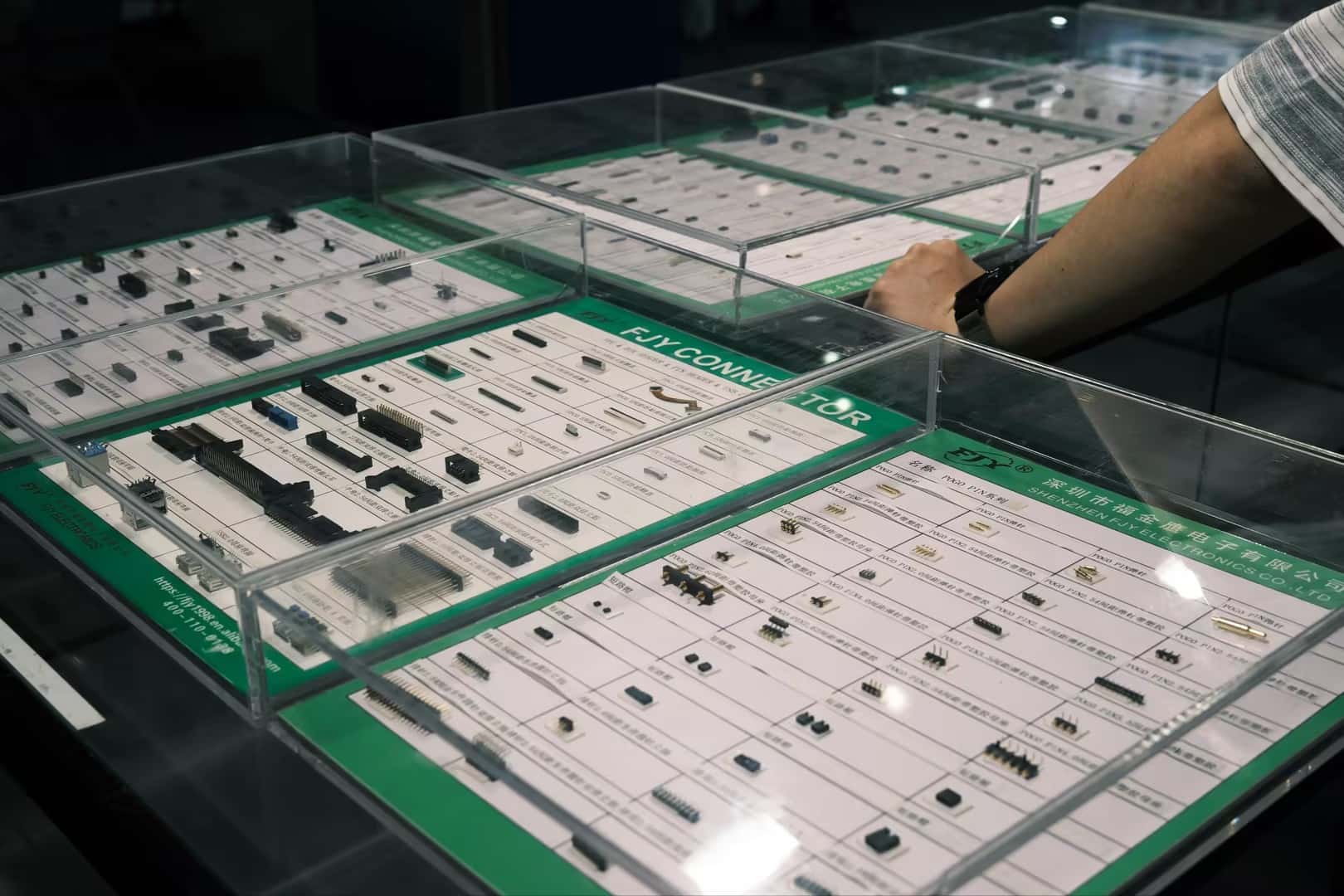
Why Reliability Matters
When the three‑day expo ended, we walked away with 27 business cards, requests for sample testing from eight companies, and a clear understanding: what the defense technology sector truly needs is never a “sounds impressive” concept, but a product that “feels reliable when used.” We have experienced R&D engineers, a solid quality control process, and a relentless commitment to reliable connections — and that, perhaps, is our greatest reason for being at such an expo.
- Key Takeaway: In defense applications, a connector isn’t just a part; it’s a lifeline. Reliability is the only metric that matters.
Next Steps: From Expo to Lab
Our next step is to compile all the customer requirements we gathered — such as low‑temperature resistance, vibration resistance, and others — into a checklist, and then optimize our existing products one by one. We’re not chasing “disruptive innovation.” We simply want every connector we make to “never let our customers down” in the environments where they’re used. This trip to Chengdu reaffirmed our belief: making a good connector is far more important than hyping up a good concept.
If you are working on a project that requires rugged, reliable connectivity, check out our connectors’ description or contact our engineering team today.